
Tesla and EV Charger Acting Up? Here's What You Can Check Safely, and When to Call an Electrician.
From Tesla Wall Connector installs to random charging pauses, red warning lights, 240V outlets, and panel questions — H4 Electric helps Utah homeowners understand what is safe to check themselves and when it's time to bring in a licensed electrician.
- Licensed Utah electrician
- Tesla & Level 2 EV charger installs
- Panel & load evaluations
- South Jordan, Bluffdale, Saratoga Springs +
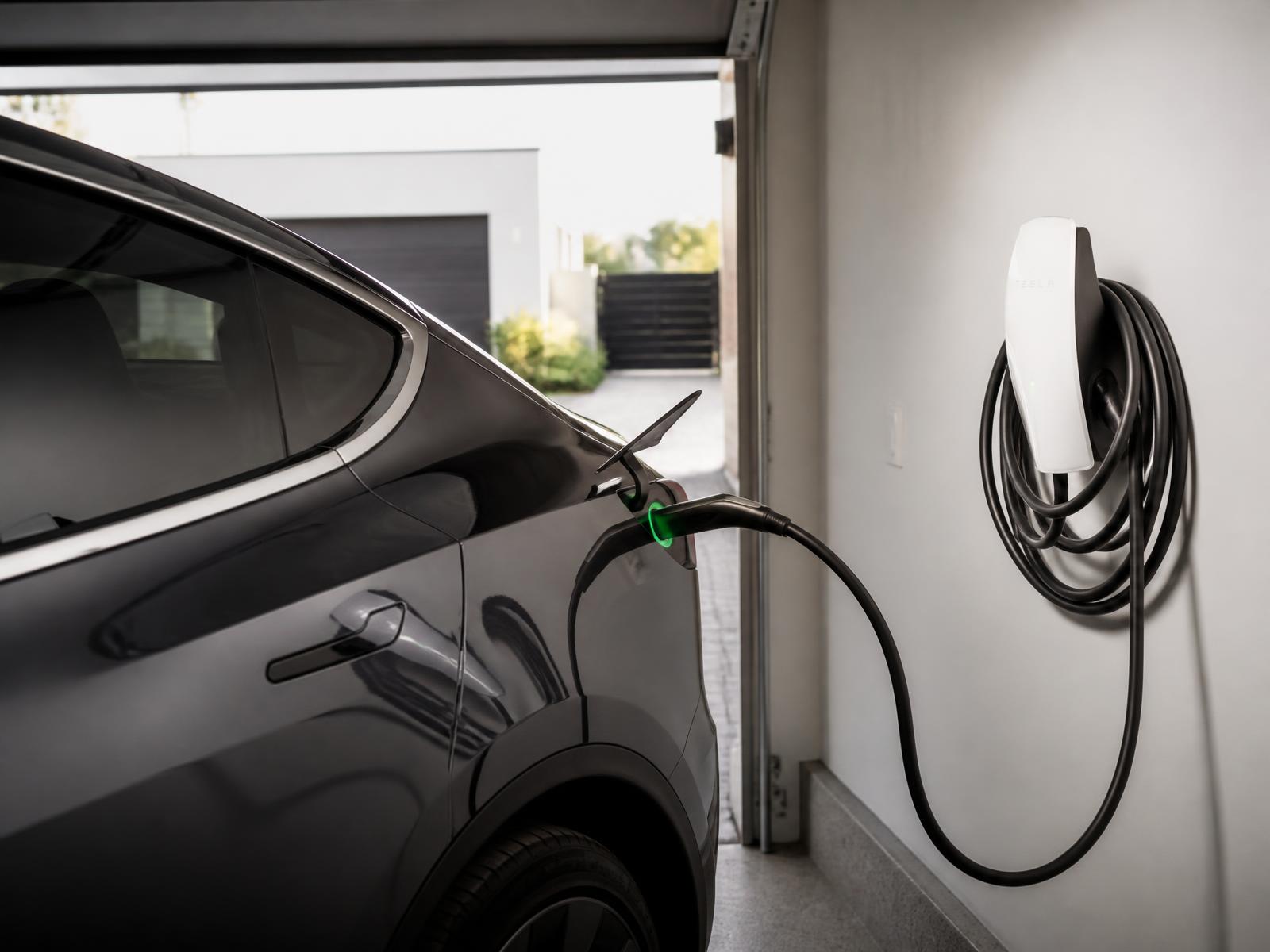
EV Charging Is Convenient. But It's Still High-Power Electrical Work.
EV chargers use much more power than normal household devices. Some homeowner checks are safe — restarting a breaker, checking app errors. But wiring, breaker replacement, panel work, 240V outlets, load calculations, and charger repair should be handled by a licensed electrician.
What You Can Safely Check Yourself
Six things any homeowner can check before picking up the phone.
Restart the charger at the breaker
Turning the breaker off for at least one minute can reset many chargers. If the issue keeps coming back, call an electrician.
Check the Tesla app or vehicle screen
Look for charging errors, charge limits, scheduled charging settings, or pause messages.
Check the charger light status
Look at the color or blinking pattern on the Tesla Wall Connector or EV charger. Do not open the charger housing.
Test charging somewhere else
If possible, see whether the vehicle charges normally at a Supercharger, public charger, or another home charger.
Check WiFi from your phone
If the charger will not connect to WiFi, verify your home WiFi works near the garage. Do not open the charger or panel.
Take photos for a quote
Photograph the electrical panel, charger, breaker labels, garage wall, driveway, and distance between the panel and desired charger location.
Do Not DIY These EV Charger Electrical Tasks
- Do not replace breakers yourself.
- Do not open or modify the electrical panel.
- Do not repair a Tesla Wall Connector internally.
- Do not install a 240V outlet unless legally qualified and experienced.
- Do not run new wire through walls, attic, basement, conduit, or trenching without proper code knowledge.
- Do not ignore red lights, heat, buzzing, burning smells, tripped breakers, or exposed wiring.
- Do not hire an unlicensed handyman for paid EV charger electrical work.
EV chargers are continuous high-load circuits. Incorrect breaker sizing, wire gauge, conduit, grounding, GFCI protection, or load calculation can create fire and shock hazards.
When You Should Call a Licensed Electrician
If any of these apply, it's time to bring in a pro.
Common Tesla Wall Connector & EV Charger Problems We Can Help Diagnose
Random charging pauses
Possible causes: charger settings, vehicle settings, overheating, breaker issue, loose connection, load issue, WiFi/firmware issue, or circuit problem.
Solid red light on Tesla Wall Connector
Possible causes: charger fault, wiring issue, internal fault, commissioning issue, or power issue.
Charger will not connect to WiFi
Possible causes: weak garage signal, router setting, app issue, charger firmware, or charger communication issue.
Breaker keeps tripping
Possible causes: overloaded circuit, incorrect breaker, GFCI issue, wiring problem, or charger fault.
Used Tesla Wall Connector not working
Used chargers may have internal faults or past installation damage. H4 Electric can inspect the electrical side and advise next steps.
Home EV Charger Installation Options
Tesla, Universal, NEMA 14-50, and third-party Level 2 chargers compared.
| Option | Best for |
|---|---|
| Tesla Wall Connector | Tesla owners who want clean daily charging. Often hardwired. |
| Tesla Universal Wall Connector | Households with both Tesla and non-Tesla EVs. |
| NEMA 14-50 outlet | Flexible option for mobile connectors. Cheaper in some cases, not always the best long-term setup. |
| Emporia, Wallbox, Grizzl-E, ChargePoint | Solid third-party Level 2 chargers depending on smart features, budget, and vehicle. |
Why EV Charger Install Costs Vary So Much
Every home is different. Here's what changes the price.
Send us photos of your panel and charging location for a clearer quote.
Send Photos for a QuoteDo You Actually Need a Panel Upgrade?
Not every EV charger installation requires a panel upgrade. Some homes can support a charger as-is. Others may need load management, lower amperage charging, a subpanel, or a service upgrade. H4 Electric reviews your panel, current electrical load, and charging needs before recommending expensive changes.
We will explain why any upgrade is recommended before asking you to spend money on it.
EV Charger Help in South Jordan, Bluffdale, Saratoga Springs & Nearby Utah Areas
H4 Electric helps homeowners with new EV charger installs, Tesla Wall Connector installs, 240V garage outlets, charger troubleshooting, panel reviews, and safety inspections across:
Request an EV Charger Quote or Safety Inspection
Tell us about your setup. Photos make quotes faster and more accurate.
Tesla & EV Charger Questions, Answered
Can I install a Tesla Wall Connector myself?
Some homeowners are legally allowed to work on their own homes, but EV chargers involve high-amperage 240V circuits. If you are not experienced with electrical code, breaker sizing, wire gauge, grounding, torque specs, permits, and load calculations, hire a licensed electrician.
Can any electrician install a Tesla Wall Connector?
A licensed electrician can install one, but it helps to hire someone familiar with EV charger circuits, Tesla Wall Connector setup, load calculations, and local permit requirements.
What can I check before calling an electrician?
You can restart the charger at the breaker, check the Tesla app, check vehicle charging settings, look at charger light status, test charging somewhere else, check WiFi signal near the garage, and take photos. Do not open the panel or charger housing.
Why does my Tesla charger randomly pause?
Random pauses can come from vehicle settings, charger settings, WiFi or firmware issues, overheating, breaker issues, loose wiring, load issues, or charger faults. If it keeps happening, get it inspected.
What does a solid red light on a Tesla Wall Connector mean?
A solid red light usually means the charger has detected a fault. Turn it off at the breaker and contact a licensed electrician or Tesla support before continuing to use it.
Do I need a panel upgrade for an EV charger?
Not always. A panel review and load calculation can determine whether your home can support the charger, whether amperage can be adjusted, whether load management is possible, or whether a service upgrade is needed.
Is NEMA 14-50 better than a Tesla Wall Connector?
A NEMA 14-50 outlet is flexible and useful for mobile charging. A Tesla Wall Connector is usually cleaner and more durable for daily home charging. The best choice depends on budget, driving habits, panel capacity, and install location.
How much does EV charger installation cost?
Cost depends on distance from panel, wiring path, charger type, permits, panel capacity, outdoor work, trenching, and whether upgrades are needed. The easiest way to get a realistic estimate is to send photos of the panel and charger location.
Do I need a permit for an EV charger installation?
Permit requirements vary by city and job type. A licensed electrician can tell you what is required and help make sure the work is code-compliant.
Not Sure If It Is Safe? Send Us Photos First.
If your Tesla charger is acting up, your breaker is tripping, or you are planning a new Level 2 charger install, H4 Electric can help you understand the safest next step.